
Exploring the Nutritional Advantages of Soy Lecithin Supplements: Unlocking Health Benefits and Wellness
Exploring the Nutritional Advantages of Soy Lecithin Supplements
Table of Contents
1. Introduction to Soy Lecithin
2. What is Soy Lecithin?
3. Nutritional Profile of Soy Lecithin
4. Health Benefits of Soy Lecithin Supplements
4.1 Brain Health and Cognitive Function
4.2 Heart Health Support
4.3 Cholesterol Regulation
4.4 Weight Management and Metabolic Support
Exploring the Nutritional Advantages of Soy Lecithin Supplements
Table of Contents
- 1. Introduction to Soy Lecithin
- 2. What is Soy Lecithin?
- 3. Nutritional Profile of Soy Lecithin
- 4. Health Benefits of Soy Lecithin Supplements
- 4.1 Brain Health and Cognitive Function
- 4.2 Heart Health Support
- 4.3 Cholesterol Regulation
- 4.4 Weight Management and Metabolic Support
- 5. Soy Lecithin and Digestive Health
- 6. How to Use Soy Lecithin Supplements Effectively
- 7. Potential Side Effects and Allergies
- 8. Frequently Asked Questions (FAQs)
- 9. Conclusion
1. Introduction to Soy Lecithin
Soy lecithin has garnered significant attention in recent years, especially among health-conscious individuals. Often marketed as a dietary supplement, soy lecithin boasts a plethora of nutritional benefits that can contribute to overall wellness. In this article, we will delve into the various advantages of soy lecithin, exploring how this supplement can play a pivotal role in enhancing health and vitality.
2. What is Soy Lecithin?
Soy lecithin is a natural emulsifier derived from soybeans. It consists primarily of phospholipids, which are essential fats that contribute to various cellular functions in the body. These phospholipids are vital for the formation of cell membranes, promoting healthy cellular structure and function. Given its emulsifying properties, soy lecithin is commonly used in food products, cosmetics, and supplements.
3. Nutritional Profile of Soy Lecithin
Understanding the nutritional profile of soy lecithin is crucial to appreciating its health benefits. A typical serving of soy lecithin supplements can include the following nutrients:
- **Phospholipids**: The primary component, necessary for cell structure and function.
- **Choline**: An essential nutrient important for brain health and metabolism.
- **Inositol**: A carbohydrate that supports cellular signaling and can aid in fat metabolism.
- **Fatty acids**: Omega-3 and omega-6 fatty acids that support cardiovascular health.
This rich nutritional profile makes soy lecithin a valuable addition to any dietary regimen.
4. Health Benefits of Soy Lecithin Supplements
The health benefits associated with soy lecithin supplements are manifold. Here are some of the most noteworthy advantages:
4.1 Brain Health and Cognitive Function
One of the most significant benefits of soy lecithin is its impact on brain health. The choline content in soy lecithin plays a critical role in neurotransmitter synthesis, particularly acetylcholine, which is essential for memory and cognitive function. Studies have shown that adequate choline intake may enhance memory and cognitive performance, making soy lecithin an excellent supplement for those looking to support brain health.
4.2 Heart Health Support
Heart health is another area where soy lecithin shines. The omega fatty acids found in soy lecithin can help maintain healthy cholesterol levels, ultimately reducing the risk of heart disease. By promoting the balance of LDL (bad cholesterol) and HDL (good cholesterol), soy lecithin supports cardiovascular health and overall well-being.
4.3 Cholesterol Regulation
Cholesterol regulation is vital for maintaining overall health, and soy lecithin plays a crucial role in this process. Research indicates that lecithin can help emulsify fat deposits and improve fat metabolism in the liver, which can lead to lower cholesterol levels. Incorporating soy lecithin into your daily diet may help manage cholesterol levels effectively.
4.4 Weight Management and Metabolic Support
For those looking to manage their weight, soy lecithin can be a beneficial ally. The combination of phospholipids and inositol may aid in fat metabolism and promote healthy weight management. Additionally, soy lecithin can help maintain energy levels, making it easier to adhere to a healthy lifestyle.
5. Soy Lecithin and Digestive Health
In addition to its cardiovascular and cognitive benefits, soy lecithin also contributes to digestive health. The emulsifying properties of lecithin can help improve the absorption of dietary fats, leading to better nutrient utilization. Additionally, it can support a healthy gut environment by promoting the growth of beneficial bacteria.
6. How to Use Soy Lecithin Supplements Effectively
To reap the benefits of soy lecithin, it is essential to understand how to use it effectively. Here are some tips:
- **Dosage**: A typical dosage ranges from 1,200 to 2,400 mg per day, divided into two or three doses.
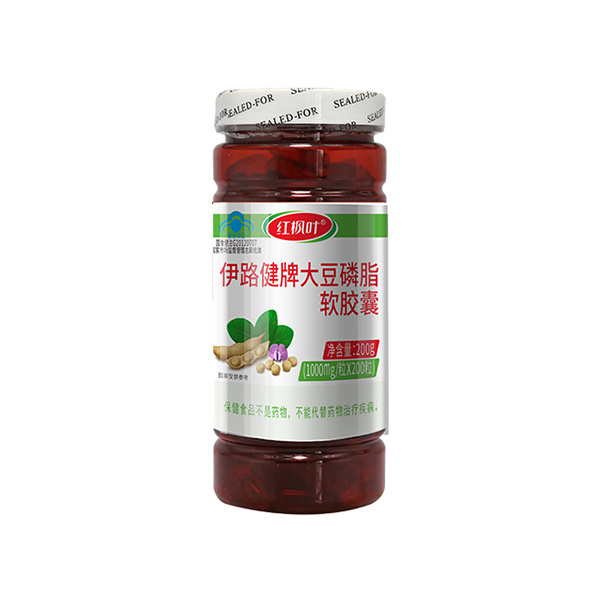
- **Forms**: Soy lecithin is available in various forms, including granules, capsules, and liquid. Choose the form that best fits your lifestyle.
- **Incorporation**: Soy lecithin can be added to smoothies, oatmeal, or used in cooking as an emulsifier.
Always consult with a healthcare professional before starting any new supplement regimen to determine the appropriate dosage for your specific needs.
7. Potential Side Effects and Allergies
While soy lecithin is generally considered safe for most individuals, there are some potential side effects to consider. These may include gastrointestinal discomfort, such as bloating or diarrhea, particularly when consumed in large quantities. Additionally, individuals with soy allergies should avoid soy lecithin as it may trigger allergic reactions.
8. Frequently Asked Questions (FAQs)
1. What is soy lecithin used for?
Soy lecithin is used for various purposes, including promoting brain health, supporting heart health, aiding digestion, and managing cholesterol levels.
2. Is soy lecithin safe for everyone?
Generally, soy lecithin is safe for most people. However, individuals with soy allergies should avoid it, and those with specific health concerns should consult a healthcare professional.
3. Can soy lecithin help with weight loss?
Yes, soy lecithin may aid in weight management by supporting fat metabolism and providing energy.
4. How much soy lecithin should I take daily?
A typical dosage ranges from 1,200 to 2,400 mg per day, divided into two or three doses.
5. Are there any interactions with medications?
Soy lecithin may interact with certain medications. It's important to consult a healthcare provider if you are taking medications and considering soy lecithin supplements.
9. Conclusion
In conclusion, soy lecithin supplements offer a wide range of nutritional advantages that can significantly enhance overall health. From supporting brain function and heart health to aiding digestion and promoting weight management, the benefits of this powerful supplement are extensive. By incorporating soy lecithin into your daily routine, you can unlock its potential for better health and well-being. Always remember to consult with a healthcare professional before starting any new supplement regimen to ensure it aligns with your individual health needs.


Get in touch
Are you interested in our products or services? Contact us immediately, our experts will provide you with professional services!
*Please leave your specific personal information, and we will have a product consultant contact you later
Address
Industrial Park, Gulou District, Kaifeng City (No. 6, 310 National Road)